Have you ever dragged a chair across your hardwood floor and felt a sharp pain, knowing it might leave a scratch? It’s frustrating to see your beautiful floor get damaged by everyday furniture.
You want to protect your investment, but it’s hard to find the right solution. That’s where furniture pads come in. The right pads can make moving chairs, tables, and sofas smooth and quiet. They stop scratches and dents before they start.
Choosing the best furniture pads can save you time, money, and stress. I’ll share top options that work well on hardwood floors. These picks will help you keep your floors safe and your home looking great. Let’s find the perfect pads together, so you never have to worry about floor damage again. Keep reading to see the best choices for your home.

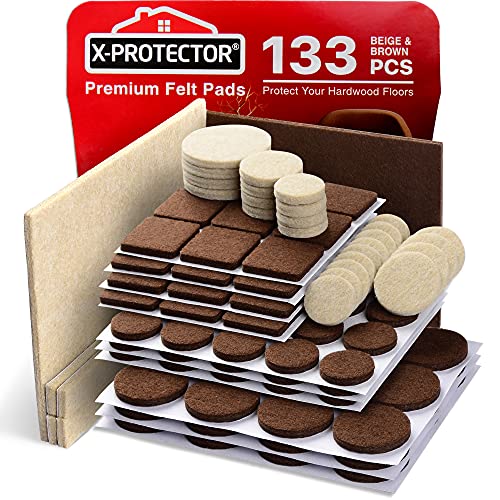

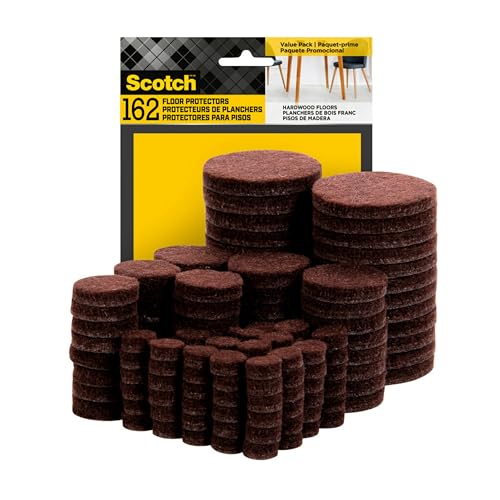


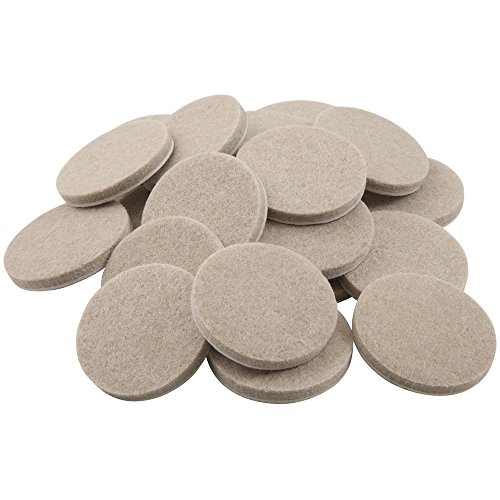


Buying Guide On Best Furniture Pads For Hardwood Floors
1. Choose the Right Material
Felt pads are soft and protect floors well. Rubber pads stop slipping but may trap dirt. Foam pads offer good cushioning for heavy furniture.
2. Check the Size of Pads
Match pad size to furniture legs or corners. Too small pads wear out quickly. Larger pads give better floor protection.
3. Consider Adhesive Quality
Strong adhesive keeps pads in place longer. Weak glue causes pads to fall off. Some pads are reusable with replaceable adhesive strips.
4. Look for Thickness
Thicker pads absorb more shock and noise. Thin pads may not protect well from scratches. Balance thickness with furniture stability.
5. Confirm Floor Compatibility
Pads designed for hardwood avoid damage or stains. Some pads suit tile or laminate better. Always check product details for floor type.
6. Think About Furniture Weight
Heavy furniture needs durable, strong pads. Light furniture can use softer, thinner pads. Use multiple pads for very heavy items.
7. Choose Easy-to-Install Pads
Self-adhesive pads save time and effort. Some pads require glue or screws, which can be tricky. Pick what fits your skill level.
8. Check for Noise Reduction
Pads that reduce noise help in quiet rooms. Felt and foam pads often work best. Hard rubber pads may not reduce sound well.
9. Review Longevity and Maintenance
Durable pads need less frequent replacement. Some pads collect dust or dirt easily. Choose pads that are easy to clean.
10. Set a Budget
Affordable pads often work well for small needs. Higher-priced pads may last longer and feel stronger. Balance cost with quality and quantity needed.
Conclusion
Choosing the right furniture pads can protect your hardwood floors from scratches and dents. Soft pads reduce noise and make moving furniture easier. Different types suit different furniture legs and floor finishes. Make sure to measure your furniture legs before buying pads.
Regularly check and replace worn pads to keep floors safe. Using the best furniture pads is a small step that keeps your floors looking new for years. Protect your investment with simple, affordable solutions. Your hardwood floors deserve gentle care and attention.
This helps maintain their beauty and value over time. Simple pads make a big difference in daily life. Keep floors smooth, quiet, and scratch-free with the right choice.


Leave a Comment